
Kyoto Ryokan Guide: Traditional Japanese Luxury
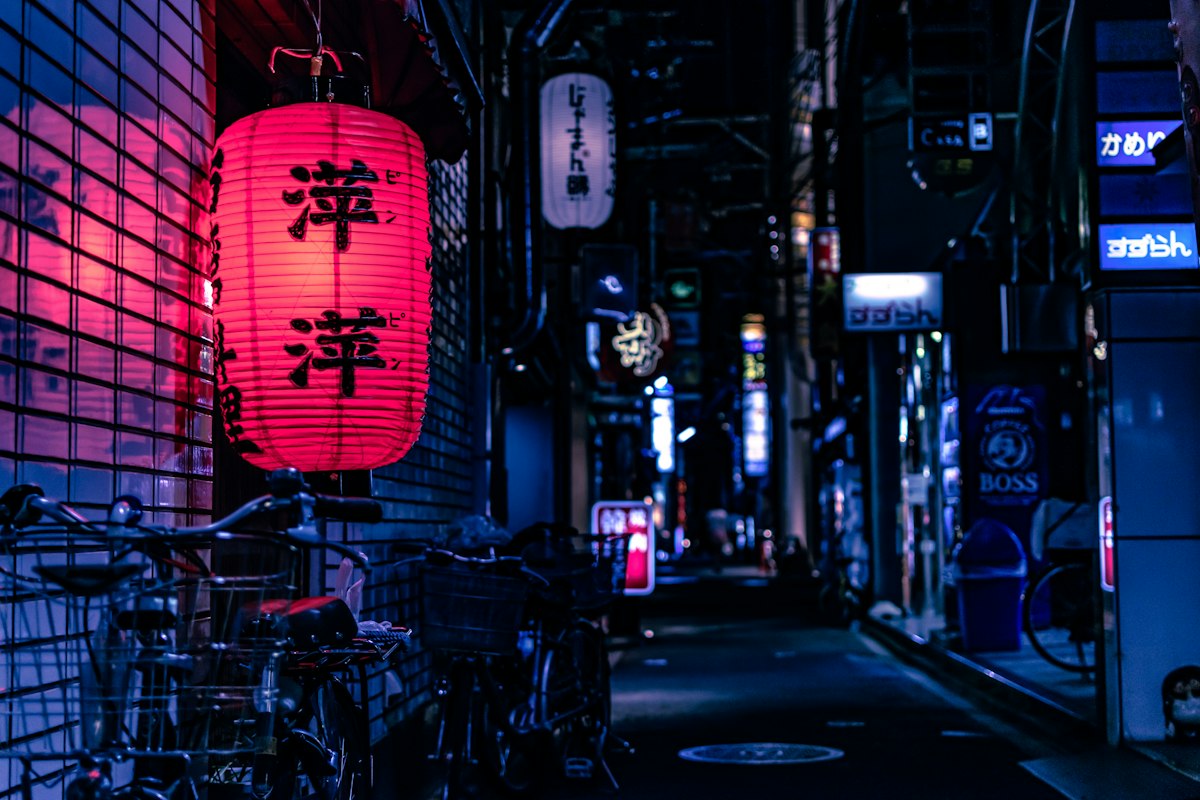
A night in a Kyoto ryokan is not simply a hotel stay - it is an immersion in a living tradition that has refined the art of hospitality over centuries. The finest ryokan offer an experience that renders the word "hotel" inadequate: seasonal kaiseki cuisine served in your room, attendants in kimono who anticipate your every need, and the meditative rhythm of tatami, washi, and hinoki that resets the modern mind.
What is a Ryokan?
A ryokan (旅館) is a traditional Japanese inn characterized by tatami-mat rooms, communal or private onsen (hot spring baths), and multi-course kaiseki meals. The finest examples, called "ryokan" in the traditional sense and often holding coveted Relais & Châteaux membership, operate at standards that rival the world's greatest hotels - while providing something no Western hotel can replicate.
The ryokan experience follows a ritual structure: arrival and welcome tea ceremony, kimono provided for your stay, kaiseki dinner served course by course in your room, communal onsen bathing at dawn, and a traditional breakfast of grilled fish, miso soup, and pickled vegetables that sustains you differently than eggs and toast ever could.
Kyoto's Ryokan Landscape
Kyoto preserves Japan's deepest concentration of exceptional ryokan. The city's role as imperial capital for over a millennium accumulated layers of refinement in food, aesthetics, and hospitality that survive today in these remarkable institutions.
Arashiyama - Bamboo Forest Serenity
The Arashiyama district, famous for its bamboo groves and the Hozu River, hosts some of Kyoto's most atmospheric ryokan. Properties here offer private gardens that back onto forested hillsides, onsen with views of seasonal foliage, and proximity to the Tenryu-ji garden - a UNESCO World Heritage Site. The sound of the river replaces the city; mornings here feel genuinely sacred.
Higashiyama - Historic Heart
The Higashiyama district's preserved historic streets - stone-paved lanes lined with machiya townhouses - create the most concentrated expression of traditional Kyoto. Ryokan here occupy buildings that have witnessed the full arc of Japanese history. Guests wake to the sound of temple bells; evenings involve lantern-lit walks past Kiyomizudera temple through streets unchanged in their essential character for generations.
Kaiseki: The Art of the Japanese Meal
The kaiseki dinner served at exceptional ryokan represents Japan's highest culinary tradition. Each course - eight to twelve in a full service - expresses the season through ingredients foraged, farmed, or caught at peak perfection. The chef communicates philosophy through food: a single cherry blossom petal on a spring dish, the exact temperature of a dashi that took three hours to prepare.
At the finest Kyoto ryokan, kaiseki chefs hold generations of technique. Some lineages trace unbroken master-apprentice traditions back five or more generations. Eating their food is participating in living history.
The Onsen Experience
Ryokan with natural onsen water - heated geothermally rather than chemically treated - offer Japan's most restorative bathing experience. Kyoto's mineral-rich waters vary by property, each with particular therapeutic qualities. Morning bathing before breakfast, when the water is at its freshest and the air still cool, is a ritual worth building your schedule around. Many properties offer private onsen reserved by the hour for couples or families who prefer not to share.
Planning Your Kyoto Ryokan Stay
Peak ryokan seasons align with Japan's famous natural events: cherry blossom season (late March to early April) and autumn foliage (mid-November to early December). These periods require booking six months to a year in advance at the finest properties. The shoulder seasons - May-June and September-October - offer favorable availability and the island's characteristic beauty in different registers.
Complement your ryokan stay with Kyoto's extraordinary depth of temples, gardens, and traditional arts. The Kyoto destination guide provides context for the city's neighborhoods and what each season reveals. A minimum of three nights allows the ryokan's rhythm to genuinely take hold.
The Ryokan Mindset
The finest Kyoto ryokan reward guests who surrender to their logic. Meal times are set, not flexible. Yukata (summer kimono) are worn to dinner and breakfast. The communal bath requires leaving your phone in the room. These apparent constraints are actually gifts - they disconnect you from your habitual self and allow the ryokan's deeper offering to emerge.
Where to next
Related destinations
- DestinationKyoto Ryokans
Traditional Japanese hospitality
- DestinationParis Hotels
Parisian palace hotels and boutique stays
- DestinationMaldives Resorts
Overwater villas and island escapes
- DestinationSantorini Hotels
Cliffside luxury with caldera views
- DestinationSwiss Alps
Mountain palace hotels and ski resorts
- DestinationBali Retreats
Jungle wellness and beach luxury
Continue reading
Related articles

Dubai's Sky-High Luxury: A Hotel Guide
Navigate Dubai's extraordinary hotel landscape, from the iconic sail-shaped Burj Al Arab to intimate desert retreats. Your definitive guide to the emirate's finest addresses.
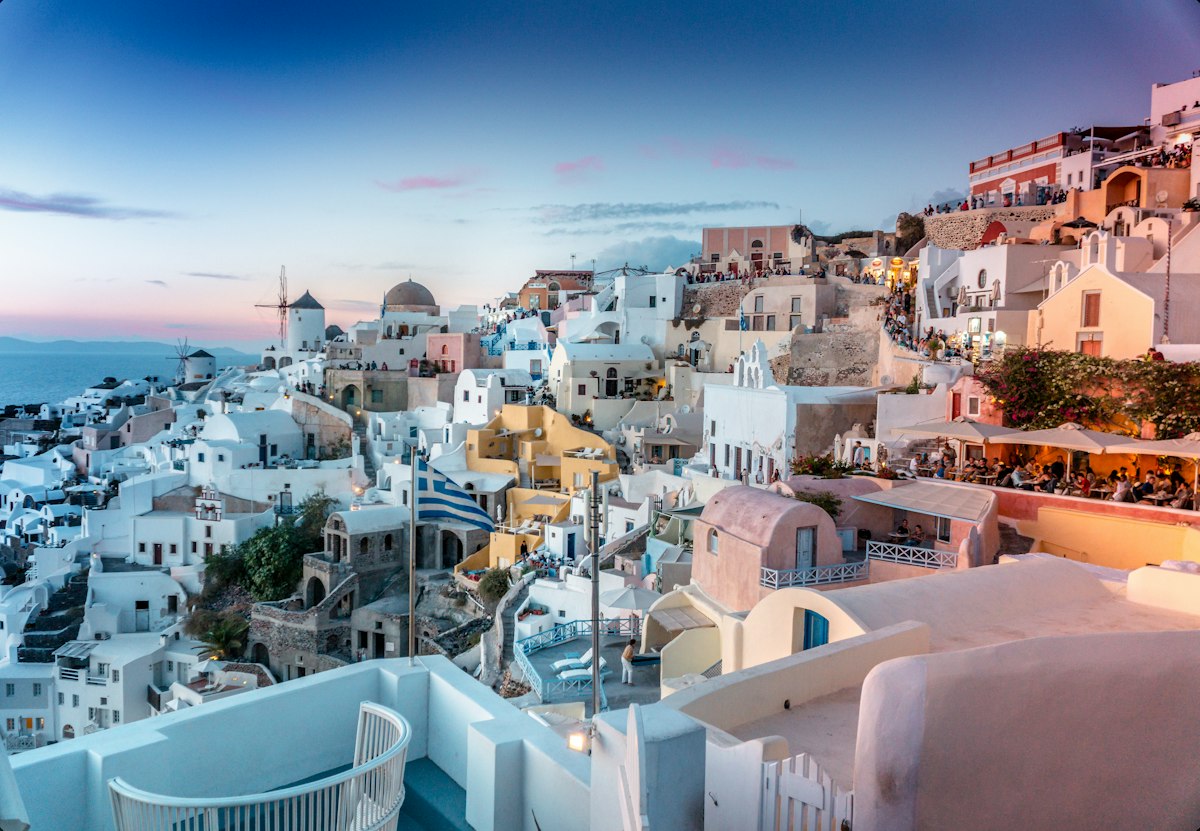
Hidden Gems: Boutique Hotels in Santorini
Beyond the famous caldera views, discover Santorini's most enchanting boutique properties. These intimate hideaways offer authentic Greek hospitality away from the crowds.

Paris Hotel Guide: From Palace to Boutique
Navigate the City of Light's diverse hotel scene, from legendary palace hotels to design-forward boutiques. Your comprehensive guide to sleeping well in Paris.