
The Art of Slow Travel: Why Less is More
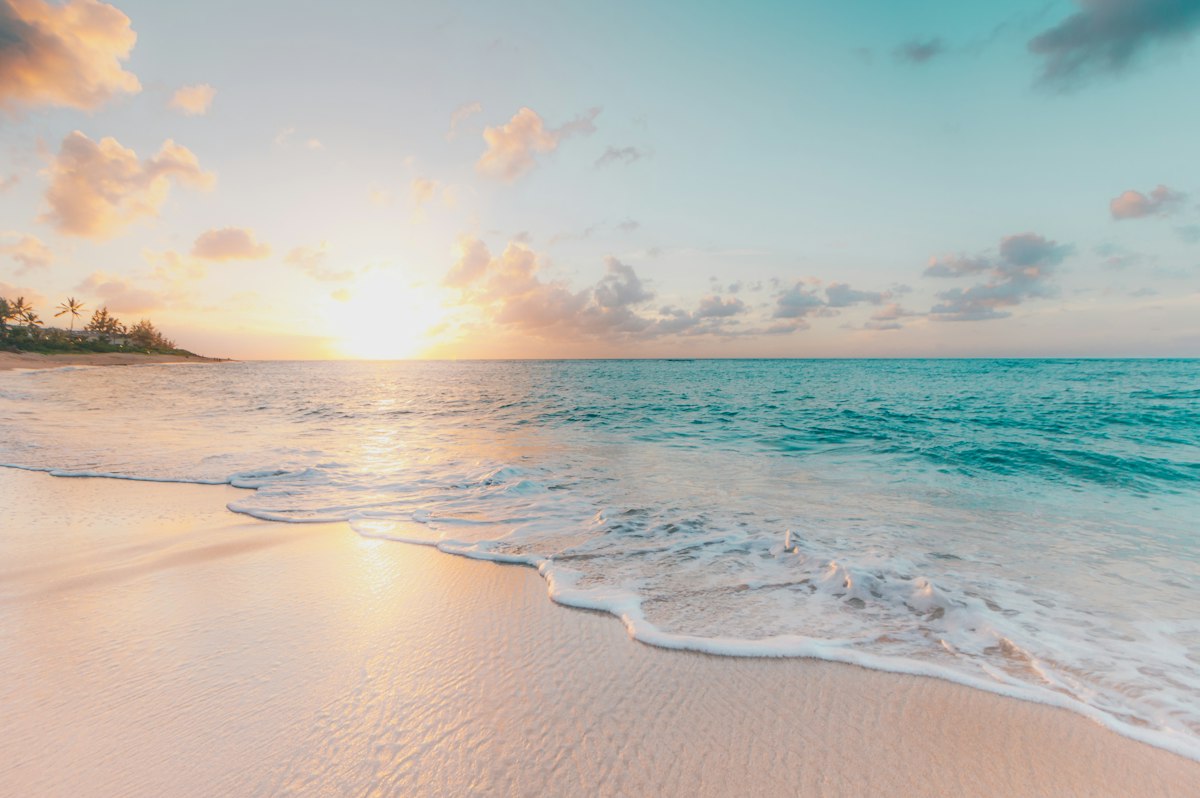
In an era of bucket lists and Instagram highlights, slow travel offers a radical alternative to conventional luxury travel: depth over breadth, connection over collection. This philosophy transforms travel from a race through destinations into a genuine encounter with place, people, and self.
What is Slow Travel?
Slow travel prioritizes quality of experience over quantity of destinations. Rather than rushing through a country in two weeks, slow travelers might spend those same two weeks in a single region - or even a single town. The goal isn't to see everything, but to truly experience something.
This approach emerged alongside the Slow Food movement, which championed local, seasonal eating over fast food convenience. Both philosophies share a conviction that speed and standardization diminish the richness of human experience.
The Case Against Speed
Consider the typical highlights tour: wake early, drive for hours, photograph a famous sight, eat at a tourist restaurant, repeat. At journey's end, travelers often feel exhausted rather than enriched, their memories a blur of similar snapshots.
Speed prevents the serendipitous discoveries that make travel memorable - the café conversation that reveals a hidden beach, the local festival you stumble upon, the friendship forged over shared meals. These experiences require time, and time is what rushed travel cannot afford.
Principles of Slow Travel
Stay Longer, Move Less
The first principle is simple: spend more time in fewer places. A week in one city allows rhythms to emerge - you'll discover where locals actually eat, which streets come alive at different hours, how the light changes through the day.
Choose Slower Transport
When possible, travel by train, boat, or even foot rather than flying. The journey becomes part of the experience, revealing the gradual shift of landscapes and cultures that air travel erases.
Live Like a Local
Rent apartments instead of hotels. Shop at markets and cook local ingredients. Walk the neighborhoods where residents actually live. These choices embed you in daily life rather than tourist infrastructure.
Leave Space for Nothing
Perhaps the most difficult discipline: schedule time for absolutely nothing. Allow mornings without plans, afternoons for wandering, evenings for whatever emerges. This unstructured time often produces travel's most treasured moments.
Slow Travel and Luxury
Slow travel and luxury accommodation are natural partners. Extended stays in exceptional properties — private villas in Bali, boutique hotels in Santorini, restored manor houses — provide the comfort and beauty that enhance leisurely exploration. Many luxury properties actively support slow travel through curated local experiences, cooking classes, and cultural introductions.
The economics often work in slow travelers' favor: weekly rates, reduced transfer costs, and local dining typically cost less than hotel-hopping through a region.
Starting Your Slow Travel Journey
Begin with a mindset shift: release the fear of missing out. You will miss things - every traveler does. But you'll experience what you do see with an intensity that transforms understanding and memory.
For your next trip, choose one destination you'd typically rush through and give it double the time. Leave half your itinerary blank. Say yes to invitations and unexpected opportunities. At journey's end, notice what you remember - not just what you photographed.
The Deeper Rewards
Slow travel changes not just how we move through the world, but how we see it. Extended time in place allows us to notice seasonal rhythms, local customs, and human stories that faster travel renders invisible. We return home not just rested but genuinely changed - carrying experiences rather than just memories.
In a world obsessed with more, slow travel offers a revolutionary proposition: perhaps less is actually more, and the best journeys are those we don't rush to complete. Begin with a destination that rewards stillness, such as Kyoto or the Amalfi Coast.
Where to next
Related destinations
- DestinationParis Hotels
Parisian palace hotels and boutique stays
- DestinationMaldives Resorts
Overwater villas and island escapes
- DestinationSantorini Hotels
Cliffside luxury with caldera views
- DestinationKyoto Ryokans
Traditional Japanese hospitality
- DestinationSwiss Alps
Mountain palace hotels and ski resorts
- DestinationBali Retreats
Jungle wellness and beach luxury
Continue reading
Related articles
The Private Island Experience: Worth It?
Complete seclusion, your own beach, and a staff dedicated entirely to you - private island resorts promise the ultimate in exclusivity. We examine whether they deliver.
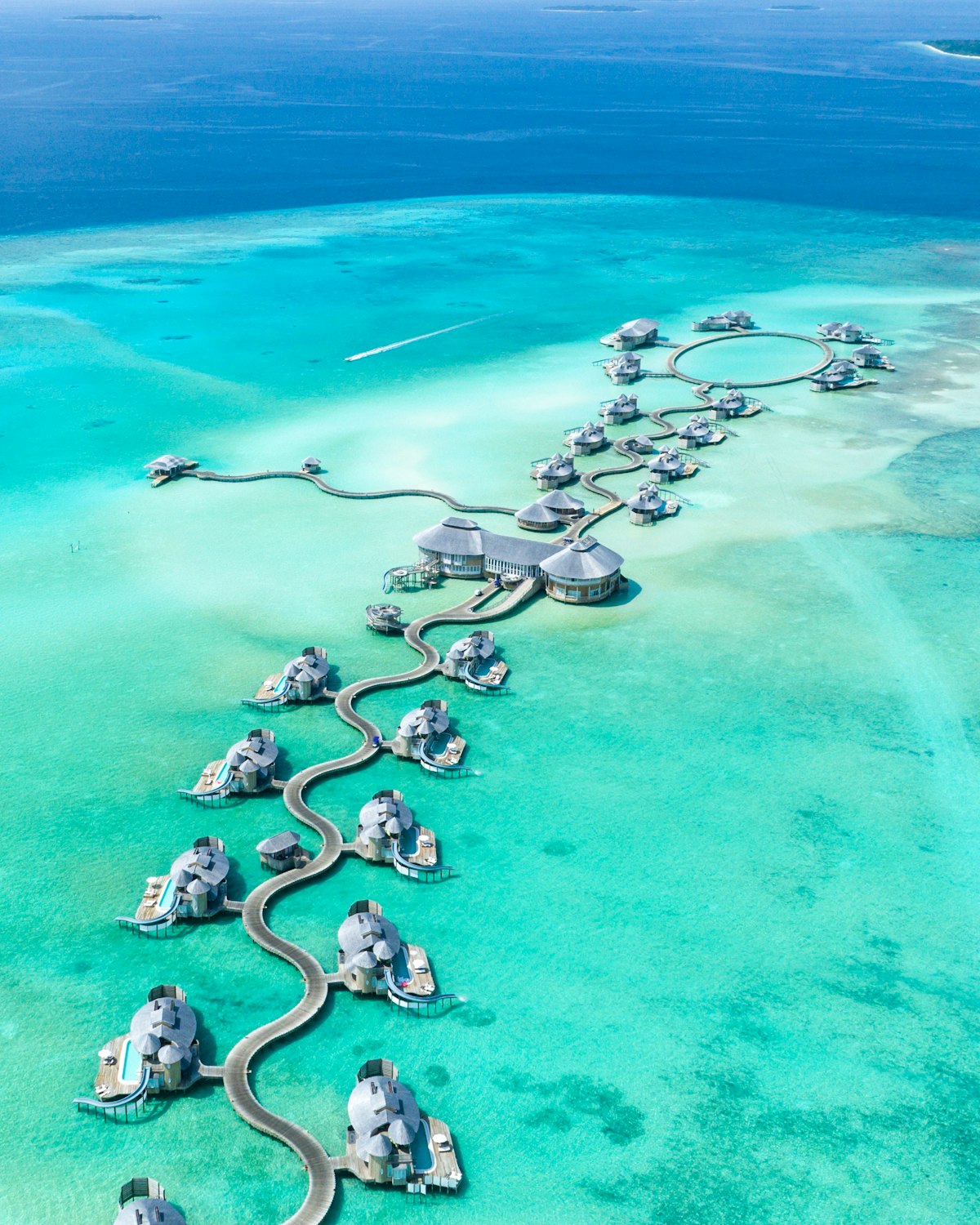
The 10 Best Luxury Honeymoon Destinations for 2026 (Editors' Picks)
Luxury honeymoon destinations for 2026 — the Maldives, Amalfi, Santorini, Bora Bora, Bali and more, ranked by our editors with the best hotels, months to go, and typical nightly cost.
Amalfi Coast by Private Boat: The Complete Guide
The Amalfi Coast reveals its true splendor from the water. Discover how to explore the Italian Riviera by private boat - from Positano to Capri, via sea caves and hidden grottos.